Pakistan is stepping up efforts to attract international investment into its mining and minerals sector, presenting its vast natural resources as an opportunity to boost exports, strengthen industrial development and support long-term economic growth. The initiative was highlighted at the Pakistan Minerals Investment Forum 2026 (PMIF26), which opened in Islamabad on Thursday, bringing together international investors, government officials and representatives of the global mining industry.
Deputy Prime Minister and Foreign Minister Ishaq Dar told participants that Pakistan wanted to create a more predictable, investor-friendly environment for mining projects. He said the country aimed to develop its mineral resources responsibly while encouraging foreign investment, improving exports and creating economic opportunities for local communities. According to the event organiser, the opening day attracted delegations from 60 countries, 122 exhibitors and more than 5,000 attendees.
Pakistan Highlights Copper, Gold and Other Mineral Resources
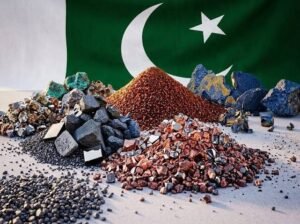
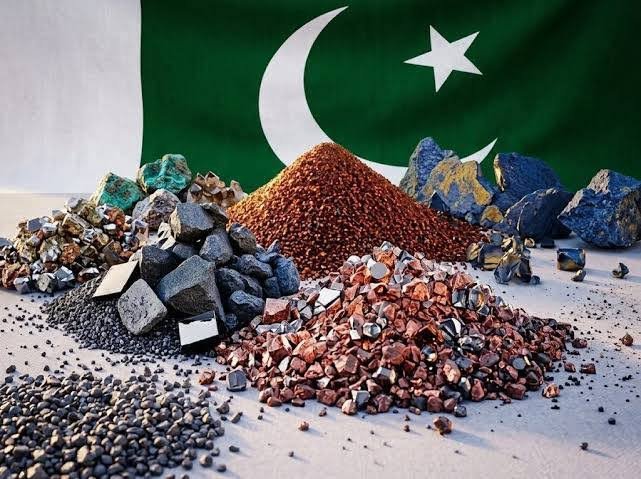
Pakistan has significant deposits of copper, gold, iron ore, chromite, lead, zinc, coal, salt, marble and gemstones. Particular attention is being directed towards the Tethyan Metallogenic Belt, which contains important copper and gold resources, including the Reko Diq project in Balochistan.
Government officials say developing these resources could help Pakistan expand its industrial base and reduce its reliance on traditional export sectors. Finance Minister Muhammad Aurangzeb also highlighted the importance of mining in supporting sustainable economic growth. He said Pakistan needed to move towards export-led development and maintain structural reforms to strengthen investor confidence.
Provinces Announce Investment Opportunities
Provincial governments also presented their mineral resources and investment plans during the forum. Punjab Chief Minister Maryam Nawaz invited domestic and international companies to explore opportunities in the province. She highlighted resources including gold, copper, iron ore, marble, granite and pink salt.
She also outlined financial incentives, concessional land leases and interest-free financing facilities intended to encourage investment and mineral processing. Sindh Chief Minister Murad Ali Shah highlighted the province’s mineral potential, including Thar coal, while encouraging investors to explore opportunities in scientific mining and value addition. Balochistan Chief Minister Sarfraz Bugti and Khyber Pakhtunkhwa Governor Faisal Karim Kundi also invited international companies to consider investment in their respective regions.
International Companies Explore Opportunities
The forum also provided an opportunity for international mining and engineering companies to discuss potential projects in Pakistan. Representatives of Barrick Mining Corporation, Weir and Trafigura were among those involved in meetings with Pakistani officials. An agreement between Ivanhoe Mines and Mari Minerals was also signed for exploration of copper and gold deposits in Chagai, Balochistan. The companies intend to assess the area’s mineral potential through exploration activities.
Challenges Remain for Pakistan’s Mining Sector
Despite its natural resources, Pakistan faces several challenges in turning mineral potential into commercially successful projects. Infrastructure limitations, energy shortages, security concerns, regulatory uncertainty and the need for advanced mining technology remain important considerations for investors. Developing domestic processing and refining capacity will also be essential if Pakistan wants to capture more economic value from its mineral resources instead of relying primarily on raw-material exports.
The Pakistan Minerals Investment Forum 2026 represents an effort to attract international partnerships and communicate the country’s investment opportunities. However, the long-term success of this strategy will depend on whether announced opportunities translate into financed projects, actual production, exports and benefits for local communities.